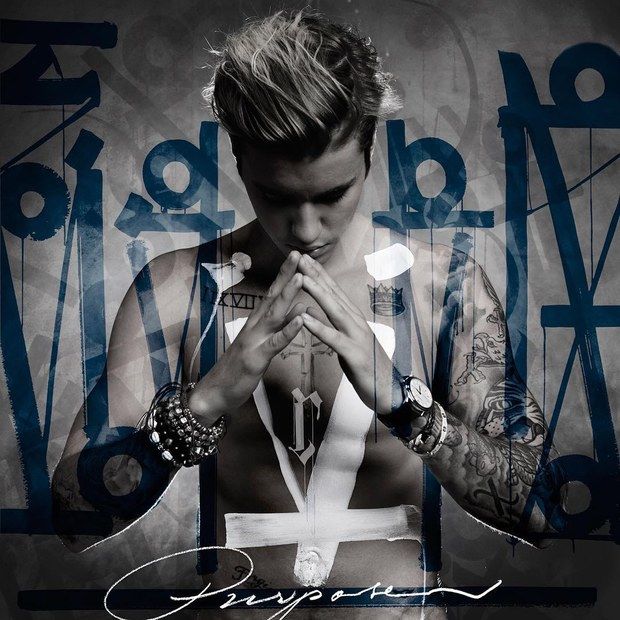
I grew up with positive messages left and right. I ate that shit up. Good stuff—fuck the bad guy! I do not know if this is universal, but the children I went to elementary school with did not agree with this. We tended to butt heads, as kids with newly-found constructions of rivalry are wont to do. It is worth saying that I was self-righteous and I liked telling people what to do a lot and hated when people tried that nonsense on me, so when Mark recommended me Limp Bizkit’s Significant Other, I stared, asking both him and myself “why?” Seven years old and here I was confronting the idea of confronting language, disrespect, and hooliganism on a scale that would most definitely change the course of my life. I still have not heard that Limp Bizkit record in full, but it was the first thing that came to mind around hitting the fifth song of Purpose.
Who is the bad guy? Continue reading
 I’ve gone through more drafts of this review than I have of anything I’ve done, maybe even more than my professional calibers of editing. It’s not really because this album is super hard to talk about — it’s because there’s a lot to say and interpret. I’ve had many listening sessions of this record to the point of having several different and tiny memories for what the album feels like. It’s an actual diary by an emotionally disturbed and incomplete human being. It is the finality of Bill Callahan’s weirdness, its peak, his shaping into musical appropriation. Wild Love is just a bunch of things.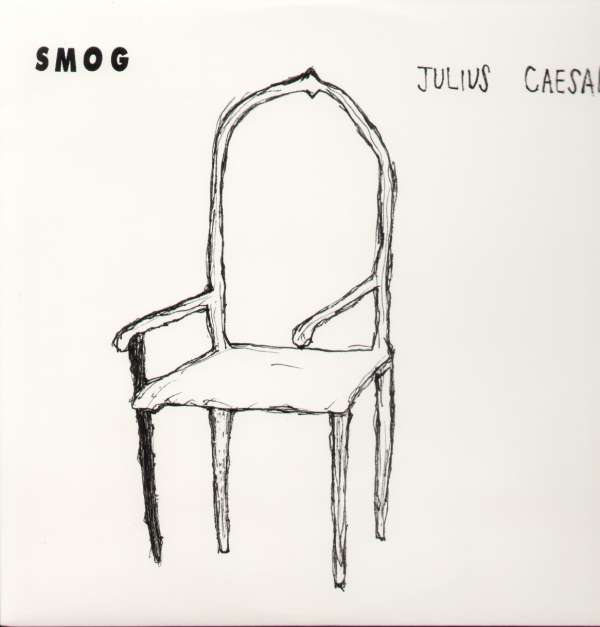
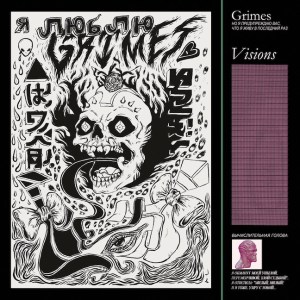 It turns out there are plenty of people who believe strongly in their voice, maybe too many, but they stem off into several varieties: protesters, politicians, auctioneers, your boss, disk jockeys, dentists while your mouth is occupied by the awful thing that scrapes particles between the gums and teeth, and the teacher in fifth grade that you believed treated you differently because they were sexist. These roles are infinite. With the present opportunities given to us to use our voices positively or for gain of a cause, movement, or ourselves, we must take advantage of the multiple mirrors to express it and not easily become these completely monotonous roosters. Claire Boucher may know what I am talking about.
 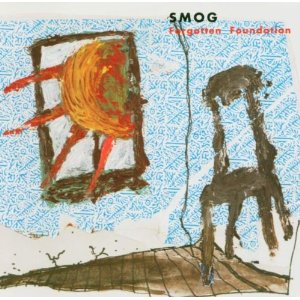 After Sewn to the Sky, I could only wonder what madness I could expect on Forgotten Foundation. The experimentalism that was seen so early on in Bill Callahan’s career is interesting but only to an extent and by “an extent”, I really just mean Sewn to the Sky. The nature of it made sense in strange ways, but it was so grimy and harsh that it was perhaps an unintentionally original way to start a career, however, on Forgotten Foundation, it feels almost like repetition without any real inspiration. This is the worst point in Smog’s fifteen-year run.
 Fermata over Whole Rest