TAG: Skippable
Period: Home-recording, Drag City debut (1992)
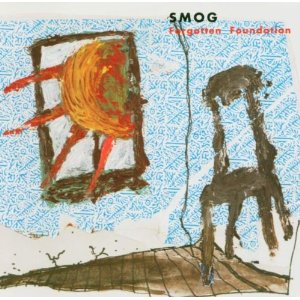 After Sewn to the Sky, I could only wonder what madness I could expect on Forgotten Foundation. The experimentalism that was seen so early on in Bill Callahan’s career is interesting but only to an extent and by “an extent”, I really just mean Sewn to the Sky. The nature of it made sense in strange ways, but it was so grimy and harsh that it was perhaps an unintentionally original way to start a career, however, on Forgotten Foundation, it feels almost like repetition without any real inspiration. This is the worst point in Smog’s fifteen-year run. Continue reading
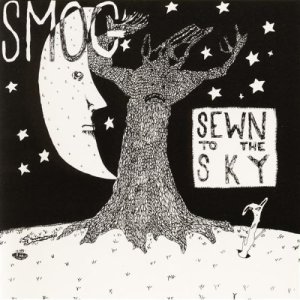 Sewn to the Sky is not an album that kicked off Smog into what Smog was. It was in fact, far from Smog in general, which is what makes Sewn to the Sky particularly interesting. Smog is usually labeled as somewhat of a mellow rock artist and in his debut release, he acts as a pioneer of the tape-recorded grimy lo-fi movement. This album is abrasive, bare-bones and frequently harsh to the ears, almost the opposite of Callahan’s general flow, and at the same time serves as something of a note for his future and growth. I’m going to be dead honest with you, Sewn to the Sky is not very good, but interesting on so many levels.
 I have never been completely sold on Atlas Sound, the solo project from Bradford Cox of Deerhunter, a band I admire more than most in indie rock. Cox’s use of bloopy synths with what sounded like Deerhunter at its core frustrated me; it sounded cheesy and sometimes insincere. Since 2009’s Logos I had trouble grasping that his ideas could be leashed and controlled without the band supporting him.
  There are certain things a man dreads; big things such as wondering if the woman you love will accept your hand in marriage and little things like getting up from your computer to take a shit. I am confident in saying that getting myself to write this review is somewhere in the middle of that spectrum.
  When I think about pop music there are a few mechanisms that I tend to not associate other genres with, such as the manipulation of old sounds and styles to make a point or reflect another time on our own. This ended up being the case with the fantastic 2010 albums from Ariel Pink and Twin Shadow, and most recently the self-titled debut from Cults. I started to pick up on this trend recently, wondering why it’s so popular in the independent pop scene to make your music sound “not of this time” and I came to a conclusion: reflection is what is defining our generation.
 Fermata over Whole Rest